
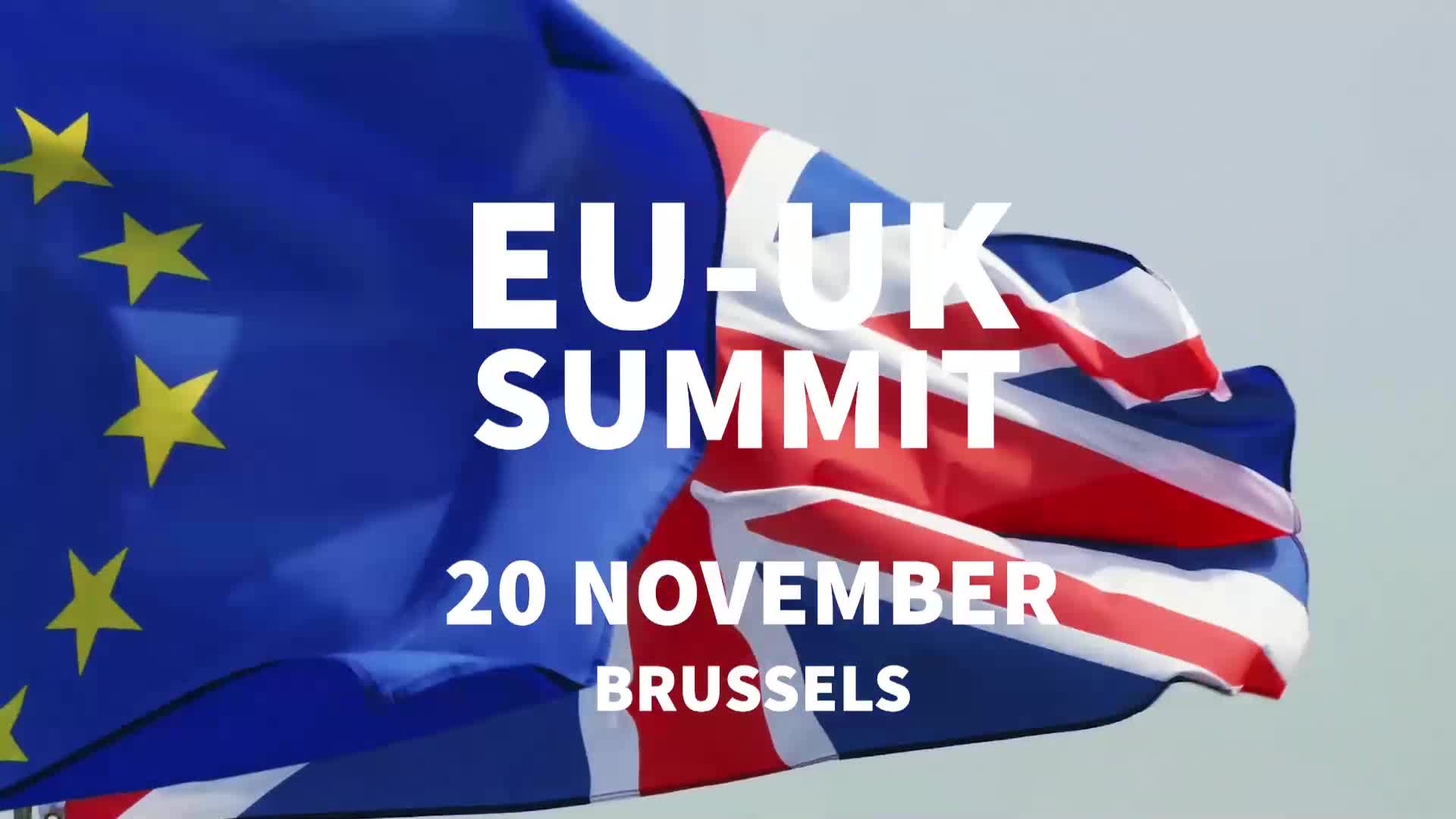
The recent EU-UK Summit in Brussels turned the post-Brexit “reset” into concrete agreements on trade, carbon and skills. Silverstone Communications sets out what it means for businesses across the Gatwick Diamond, and why the time to act is now.
On 20 November 2026, the Prime Minister met the Presidents of the European Council and the European Commission for the second EU-UK leaders’ summit. The headline is simple: negotiations on three major deals are now concluded, and most of their benefits are due to arrive in 2028.
For a region built on international connections, from Gatwick Airport to the exporters, manufacturers and professional services firms along the M23 and A23 corridor, that is significant. It also means 2027 is the year to prepare.
What was agreed
- Food and drink trade. The Sanitary and Phytosanitary (SPS) Agreement would remove the certificates and border checks now needed on most agri-food movements between Great Britain and the EU. The target start date is 1 March 2028.
- Carbon costs. Linking the UK and EU emissions trading systems would exempt UK exports from the EU’s Carbon Border Adjustment Mechanism, the EU’s carbon border charge, from 2028.
- People and skills. A Youth Experience Scheme will let 100,000 young people each way live, work and study for up to three years. The UK rejoins Erasmus+ in 2027, and a tuition fees agreement is due within six months.
- Supply chains and economic security. A new dialogue begins now, with steel, electric vehicles and emerging technologies named as early priorities.
- Talks on UK participation in the EU electricity market are due to conclude in 2027.
The Government estimates the SPS deal could add up to £5.1bn a year to the UK economy, and carbon market linking up to £3.8bn. These are Government figures and have not been independently assessed. Every date is a target that still depends on ratification by both sides.
What it means for the Gatwick Diamond
The biggest winners will be firms whose goods cross the Channel, but the effects will reach almost every sector in the region.
Logistics and supply chains. Much of the UK’s food trade with Europe moves through the Short Straits at Dover and Folkestone. Fewer checks and certificates should mean lower costs and shorter delays for hauliers, freight forwarders and the businesses that rely on them.
Food, drink and hospitality. Sussex and Surrey producers, from vineyards to specialist food makers, should find it easier and cheaper to sell into EU markets. Firms that stopped exporting after 2021 because of paperwork have a clear case to look again.
Manufacturing, aerospace and defence. Exemption from the EU carbon border charge removes a looming cost for exporters and their EU customers. Closer EU-UK defence industrial cooperation should open new partnering and procurement opportunities for the region’s engineering and defence supply chain.
Professional services and technology. A planned EU-UK Digital Partnership, covering AI, digital identity and online safety, is due early in 2027. Mutual recognition of qualifications starts with architects, with other professions to follow.
People and skills. The Youth Experience Scheme and Erasmus+ will help employers in hospitality, care and tourism, and universities such as Sussex, Brighton and Surrey. They will not ease current recruitment pressures before 2028.
Why 2027 matters
None of these deals has legal effect yet, and current checks and costs continue until at least 2028. The businesses that gain most will be those that use the coming year to get ready:
- Map your EU trade flows and estimate what fewer checks and certificates would save.
- If you or your EU customers handle steel, aluminium, cement or fertilisers, review your exposure to the carbon border charge.
- Check product standards, labelling and suppliers against current EU rules.
- Build the Youth Experience Scheme and Erasmus+ into workforce planning from 2028.
- Keep doing everything current rules require until the new arrangements are confirmed.
- Engage through Gatwick Diamond Business and your trade bodies, so the region’s voice is heard as the detail is negotiated.
See it first-hand: the Short Straits study visit
On 14 and 15 January 2027, the All-Party Parliamentary Group for the Southeast and Gatwick Diamond Growth Gateway will lead their first study visit to the Short Straits, to explore cross-channel freight. It is a chance to see where the summit’s changes will be felt first, alongside MPs and industry leaders.
- Day 1, 14 January: briefing at Ashford International; Getlink’s Folkestone terminal; Le Shuttle to Coquelles and the French control centre; working dinner and overnight stay in Calais.
- Day 2, 15 January: P&O Ferries crossing to Dover; Port of Dover briefing on freight flows, A20 traffic management and shore power; roundtable with MPs and industry.
GDB member early bird: 15% off. Gatwick Diamond Business members can join for £335.75 + VAT instead of the standard £395 + VAT. The price includes dinner and overnight accommodation in Calais. Places are limited.
To register your interest, visit view.page/CYuo0q
About Silverstone Communications
Silverstone Communications is the county’s leading public affairs consultancy, specialising in devolution. We help businesses and organisations across the South East understand policy change and engage with decision-makers. Enabling your goals before barriers emerge.
Sources: EU-UK Summit Joint Statement, Brussels, 20 November 2026; UK Government, UK-EU Summit package factsheet, 17 November 2026.