
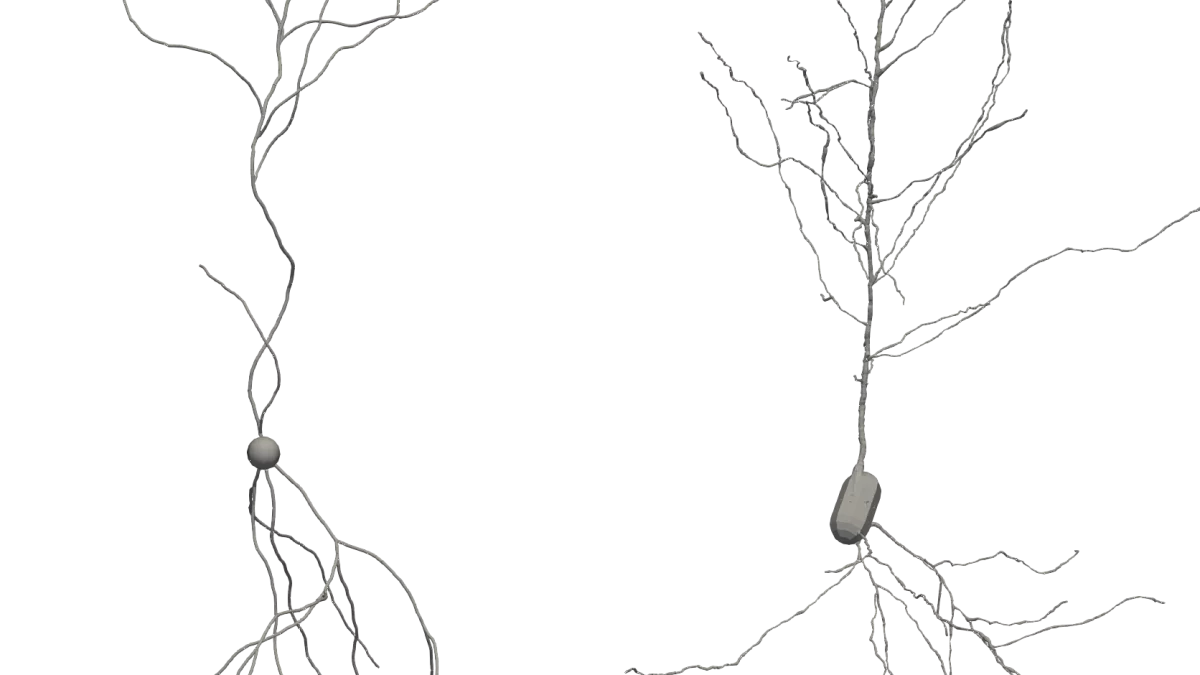
A new computer simulation of how our brains develop and grow neurons has been built by scientists from the University of Surrey. Along with improving our understanding of how the brain works, researchers hope that the models will contribute to neurodegenerative disease research and, someday, stem cell research that helps regenerate brain tissue.
The research team used a technique called Approximate Bayesian Computation (ABC), which helps fine-tune the model by comparing the simulation with real neuron growth. This process ensures that the artificial brain accurately reflects how neurons grow and form connections in real life.
The simulation was tested using neurons from the hippocampus—a critical region of the brain involved in memory retention. The team found that their system successfully mimicked the growth patterns of real hippocampal neurons, showing the potential of this technology to simulate brain development in fine detail.
Read more here