
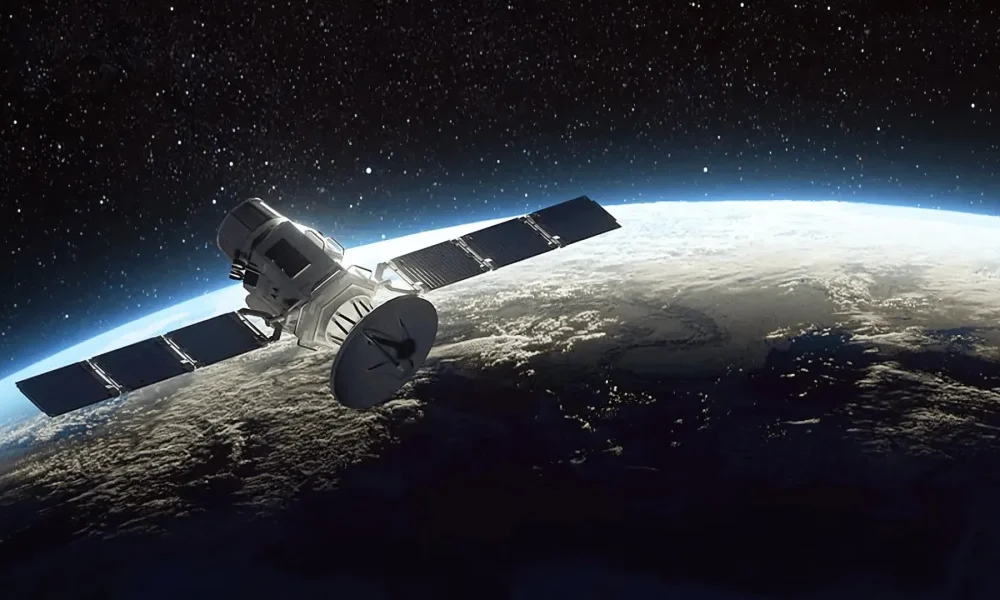
This significant strategic establishment at the University aims to bolster the UK’s burgeoning small satellite sector and respond to the urgent need for faster research, innovation and skilled talent. This includes converting the University’s 45-year small satellite leadership into mission-ready solutions for climate, resilience and secure global connectivity.
Importantly, for the diverse community of local space-related businesses at the Park, this means enhanced opportunities to access world-class talent, expertise, and facilities.
Companies at the Park are already innovating in space domain technology for defence, intelligence, and environmental and climate data collection, RADHard semiconductor testing, pioneering in-space computing technology, and Non-Terrestrial Networking, supported by a range of professional services for next-generation technologies.
For the wider Surrey Innovation District ecosystem and space sector cluster participants, the Institute will support small space companies to scale up and give more people the skills needed to work in this fast-moving sector, helping the UK stay competitive in a global industry that is growing at pace. With more than half of UK space organisations reporting critical skills shortages – especially in software, data analysis, artificial intelligence and systems engineering – the Institute aims to train 10% of the UK’s future space workforce through postgraduate degrees, hands-on missions and professional courses.
The Surrey Space Institute has been developed under the leadership of renowned astrophysicist and Pro-Vice-Chancellor Professor Bob Nichol, building on firm foundations that bring together Surrey’s space-related world-class teaching, industry links and research strengths from across a wide range of fields – not just engineering, but also telecoms, cybersecurity, biosciences, law and many more.
This interdisciplinary approach is at the heart of the new Institute’s mission – to rethink how space can support society, the economy and the planet. It will focus not only on building new technologies, but on developing the policies, systems and skills needed to run full space missions that respond to real-world needs.
Read more here